
The Shifting Sands of California Investment Property Insurance
It’s a tough time to own investment property in California. You’ve probably felt it, maybe even lost some sleep over it. The dream of passive income, of building wealth through real estate, often bumps up against the very real headache of insuring that property. It’s not just another bill; it’s a huge piece of your financial puzzle, and lately, that puzzle feels like it’s missing some pieces – or worse, the pieces keep changing shape.
Many property owners are seeing their premiums jump by shocking amounts. Sometimes, they’re getting non-renewal notices from companies they’ve been with for years. It’s disheartening. It feels unfair. And honestly, it can make you wonder if owning rental properties here is even worth the trouble anymore. You’re not alone in feeling this way. So many investors are confused, frustrated, and looking for answers.
What Exactly Is Investment Property Insurance?
When you buy a home to live in, you get a homeowner’s policy. Simple enough. But an investment property, a place you rent out to tenants, needs something different. It’s called a landlord policy, or sometimes a dwelling fire policy. This isn’t just a fancy name; it’s a completely different kind of protection.
Your primary home policy covers *your* stuff and *your* liability. A landlord policy focuses on the building itself and *your* liability as the property owner. It won’t cover your tenant’s personal belongings – they need their own renter’s insurance for that.
Different Kinds of Coverage
Most landlord policies come with a few core protections. First, there’s **dwelling coverage**. This protects the physical structure of your building – the walls, the roof, the foundation – from perils like fire, wind damage, and vandalism. Imagine a kitchen fire that damages a big chunk of your rental unit. This is what dwelling coverage is for.
Then there’s **liability protection**. This is incredibly important. If a tenant or a visitor gets hurt on your property – say, they trip on a loose step and break an arm – you could be sued. Liability coverage helps pay for legal fees, medical expenses, and potential settlement costs. You don’t want to face a lawsuit without it.
Which brings up something most people miss: **loss of rent coverage**. What happens if your rental property becomes uninhabitable due to a covered event, like a major fire? Your tenants have to move out. You stop collecting rent. This coverage helps replace that lost income while your property is being repaired. It’s a lifesaver for your cash flow.
Why California is a Whole Different Ballgame
California has always been a challenging place to insure property, but things have gotten especially tricky over the past few years. It’s a perfect storm of environmental risks, regulatory quirks, and a nervous insurance market.

The Wildfire Crisis
You can’t talk about California insurance without talking about wildfires. The last decade has seen an unprecedented number of devastating fires, particularly in regions like Ventura County, parts of the Inland Empire, and the foothills of the Sierra Nevada. These aren’t just isolated incidents; they’re happening more frequently, burning hotter, and impacting larger areas. Think about the 2025 LA fires – these events reshape how insurers look at risk.
Many major carriers – State Farm, AAA, Farmers – have either pulled back from writing new policies in high-risk areas or stopped altogether. This isn’t because they don’t like California; it’s because the risk models just don’t make financial sense for them anymore. When a carrier loses billions in a single fire season, they have to re-evaluate. This leaves many investment property owners scrambling for coverage, often finding only expensive options or the state’s last-resort program.
Earthquake Realities
We live in earthquake country. Everyone knows it, but not everyone plans for it when it comes to insurance. Standard landlord policies *don’t* cover earthquake damage. You need a separate policy for that, usually through the California Earthquake Authority (CEA) or a private carrier. Most people think about the “big one,” but smaller quakes can cause significant damage too. You might think, “My property is old, it’s survived quakes before.” That’s not always a guarantee for the next one.
Prop 103 and Its Effects
California’s Proposition 103, passed in 1988, gives the state’s Department of Insurance significant power over rate approvals. While it was designed to protect consumers, it sometimes creates a bottleneck. Insurers argue that the approval process for rate increases is too slow, making it hard for them to keep up with rising costs – especially after big fire seasons. This can make them less willing to offer new policies here. It’s a constant tug-of-war between consumer protection and insurer solvency, and investment property owners often get caught in the middle.
Common Pitfalls and How to Avoid Them
Even if you find coverage, there are some common mistakes investment property owners make that can cost them dearly.
Landlord vs. Homeowner Policy – Big Difference.
You bought a duplex, moved into one unit, and rented out the other. You might think your homeowner’s policy covers the whole thing. Not so fast. If you’re living in one unit, you’ll need a different kind of policy – often called a “dwelling with incidental occupancy” or “owner-occupied duplex” policy. It’s a hybrid. If you’re *not* living there at all, it’s definitely a landlord policy. Using the wrong policy type could mean your claim gets denied. Insurers are very particular about how a property is used.
Vacancy Clauses Can Bite You
Most landlord policies have a vacancy clause. What’s that? If your rental property sits empty for a specific period – often 30 or 60 days – certain coverages, like vandalism or frozen pipes, might be reduced or even suspended. Imagine a tenant moves out, and it takes you three months to find a new one. A pipe bursts in the vacant property, causing thousands in damage. Your insurer might say, “Sorry, it was vacant for too long.” This is a big deal, especially in slower rental markets. Always tell your agent if a property is going to be vacant for an extended period. You might need a special endorsement.
Tips for Finding Coverage
So, what do you do when the market feels like it’s shrinking? Don’t give up.
The Agent Advantage
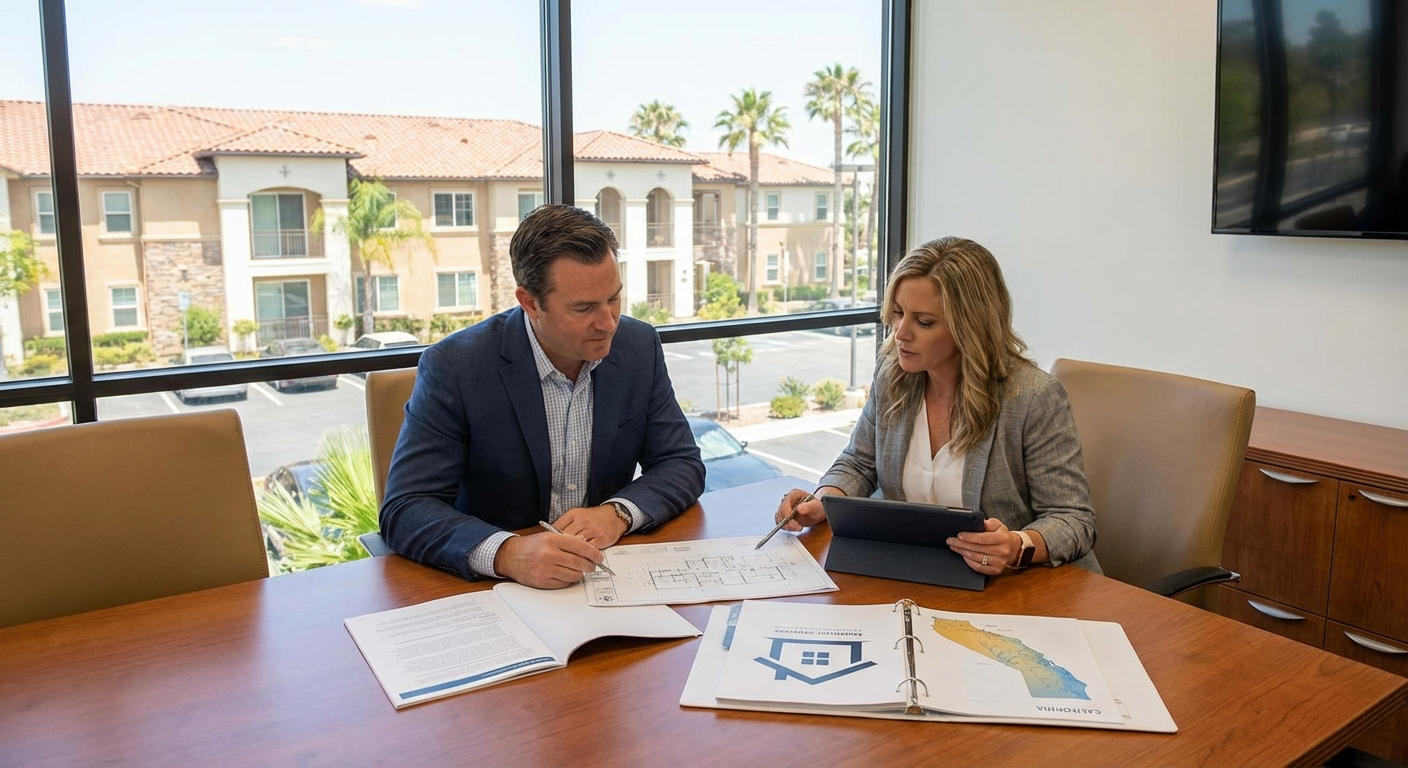
This is where an independent insurance agent becomes absolutely essential. Someone like Karl Susman at Los Angeles Home Coverage (CA License #0B75129) isn’t tied to one company. He works with many different carriers – some big names, some smaller, specialized ones that might still be writing policies in areas others have abandoned. He knows the ins and outs of the California market, the specific risks of the Valley or the desert communities, and which carriers are still willing to play ball.
Honestly, trying to call individual companies yourself is usually an exercise in frustration right now. They often have long wait times, and if they decline you, they don’t offer alternatives. An agent has the relationships and the software to shop around for you. They can also explain the nuances of each policy, helping you understand what you’re truly getting. You can reach out to Karl and his team at (877) 411-5200.
What Drives Premiums Up?
You’ve probably noticed your premiums aren’t getting any cheaper. Three things drive your premium up.
Location, Location, Location
This is the biggest one in California. Is your property in a high wildfire risk zone? A flood zone? Does it have a history of brush fires nearby? Even properties that aren’t *in* the direct path can be affected by smoke damage or evacuation orders, which insurers factor in. A rental in Malibu will generally cost more to insure than one in a lower-risk part of Sacramento, simply due to the proximity to brush and the potential for large claims.
Property Characteristics
The age of the property matters. Older homes might have outdated wiring or plumbing, increasing the risk of fire or water damage. What’s it made of? A wood-frame home generally carries a higher fire risk than one with stucco or masonry. Are there any mitigation efforts? Things like a newer roof, defensible space around the property (especially in fire-prone areas), or updated systems can sometimes help lower your rate.
Your Claims History
Have you filed claims on this property before? Even small ones? A history of claims, especially water damage or liability claims, can signal to an insurer that your property is higher risk. They look at this information carefully.
The FAIR Plan and What It Means for You
If you’ve been declined by multiple standard carriers, you might hear about the California FAIR Plan. This is a state-mandated program that acts as the “insurer of last resort.” It’s there to make sure *everyone* can get basic fire coverage, even in the riskiest areas.
But here’s the thing: it’s basic. It typically only covers fire, lightning, smoke, and explosion. It doesn’t include liability, theft, vandalism, or water damage. For those additional coverages, you’ll need to purchase a separate “Difference in Conditions” (DIC) policy from a private carrier. So, you end up with two policies to get what one standard policy would offer. And usually, it’s more expensive overall. It’s not ideal, but it’s a lifeline for many.
Getting a Quote for Your Investment Property
It’s clear that insuring an investment property in California isn’t a “set it and forget it” task. It requires diligence, understanding, and often, the help of a knowledgeable professional. Don’t wait until your current policy is about to expire to start looking. The market moves fast.
Ready to explore your options and get some peace of mind?
Click here to get a personalized quote for your California investment property insurance.
FAQ: Your California Investment Property Insurance Questions Answered
Q: Do I really need specific landlord insurance, or can I just use my regular homeowner’s policy?
A: No, you absolutely need a specific landlord or dwelling fire policy for an investment property. A standard homeowner’s policy is designed for owner-occupied homes. If you’re renting out the property, your homeowner’s policy will likely deny any claims because the property isn’t being used as your primary residence. It’s a critical difference that many people overlook.
Q: What if my property is vacant for a while between tenants? Am I still covered?
A: Most landlord policies have a “vacancy clause.” This means if your property is vacant for an extended period (often 30 or 60 days, depending on the policy), certain coverages like vandalism or water damage might be limited or even suspended. It’s really important to let your insurance agent know if your property will be empty for more than a few weeks. They can help you get a “vacancy endorsement” or a different policy to ensure you’re protected.
Q: My insurer just non-renewed my policy because of wildfire risk. What are my options?
A: This is a common and incredibly frustrating situation in California right now. Your first step should be to work with an independent insurance agent like Karl Susman. They can shop your policy with multiple carriers, including specialty insurers who might still offer coverage in higher-risk areas. If private market options are exhausted, the California FAIR Plan is a last-resort option for basic fire coverage, though you’ll need a separate “Difference in Conditions” policy for broader protection.
Q: Does my landlord policy cover my tenant’s belongings?
A: No, your landlord policy covers the physical structure of your property and your liability as the owner. It does not cover your tenant’s personal belongings. Your tenants need to purchase their own renter’s insurance policy to protect their furniture, electronics, clothing, and other possessions from perils like fire, theft, or water damage.
Planning for Tomorrow’s Challenges
The landscape of California investment property insurance will likely keep evolving. New regulations are always on the horizon, and the environment continues to throw curveballs our way. Staying informed and working with someone who understands these shifts is your best defense. Don’t let the complexity deter you from protecting your investments.
If you’re feeling overwhelmed or just want to make sure you’re properly covered, reach out. Karl Susman and the team at Los Angeles Home Coverage (CA License #0B75129) are here to help. You can call us directly at (877) 411-5200.
Don’t wait until it’s too late – get your investment property insurance quote today.
This article is for informational purposes only and does not constitute financial advice.