
Dealing with damage to your home is stressful enough. Figuring out the insurance claim process on top of it? That’s a whole different kind of headache. Especially here in California, where wildfires, mudslides, and even just a good old-fashioned burst pipe can quickly turn your world upside down. But it doesn’t have to be a mystery. Knowing the steps can make a real difference.
What you’ll learn:
- What to do immediately after damage occurs.
- How to properly report a claim to your insurer.
- What to expect when an adjuster inspects your property.
- The difference between ACV and RCV, and why it matters.
- Tips for navigating repairs and getting paid.
- What options you have if you disagree with a settlement.
When Disaster Strikes: First Steps After Damage
Your home just took a hit. Maybe it’s a tree through the roof after a wild winter storm in the Santa Cruz Mountains, or smoke damage from a wildfire that skirted your neighborhood in the Inland Empire. The first, most important thing is always safety. Make sure everyone is okay. Call 911 if there’s an immediate danger, like a gas leak or live wires.
Once the immediate danger has passed, you’ll need to prevent further damage. Got a leaky pipe? Turn off the main water supply. Hole in the roof? Tarp it if you can do so safely. Your policy usually expects you to take reasonable steps to mitigate additional loss. Don’t go tearing down walls or making big structural repairs just yet, though. That’s a job for professionals, and your insurer will want to see the damage first.
Document Everything, Right Away
This part is absolutely vital. Get out your phone or camera. Take pictures. Shoot videos. Get wide shots of the damage, then close-ups. Don’t just focus on the obvious stuff. Document surrounding areas, too. If your living room ceiling collapsed, show the water stains spreading across the floor, the ruined furniture, even the general state of the room before the mess is cleaned up. This visual record becomes your evidence. It tells a story.
Think about what was lost or damaged. Start a running list. Did your antique rug get soaked? Was your new flat-screen TV ruined? Jot it down. The more detail, the better. This isn’t just about big ticket items; it’s about everything. Small things add up fast.

Reporting Your Claim: The Official Start
As soon as you’ve handled safety and initial damage prevention, contact your insurance company. Don’t wait. Most insurers have 24/7 claim hotlines or online portals. You’ll need your policy number handy. You’ll also need to be ready to describe what happened, when it happened, and the extent of the damage you know about so far.
They’ll assign a claim number and a claims adjuster. Write down that claim number immediately. It’s your key to everything that follows. Keep a log of every person you speak with at the insurance company: their name, title, phone number, the date, and a brief summary of your conversation. This paper trail? It’s your best friend.
Gathering Your Evidence
Remember all those photos and videos you took? Now’s the time to organize them. Beyond that, start digging for receipts for any damaged items. If you bought a new washing machine last year, find that receipt. Did you have a recent appraisal for your jewelry? Pull that out. For bigger losses, like a kitchen fire, an inventory list of everything in that room—appliances, dishes, cookware, even spices—will be incredibly helpful. It might feel overwhelming, but it’s much easier to do this while the memory is fresh.
Here’s where it gets interesting. Many homeowners don’t have a detailed home inventory before a disaster. It’s a pain to create one, sure. But if you have one, you’re miles ahead. If not, do your best to reconstruct what was lost. Sometimes, just walking through the damaged area again (if safe) can jog your memory.
The Adjuster’s Visit: What to Expect
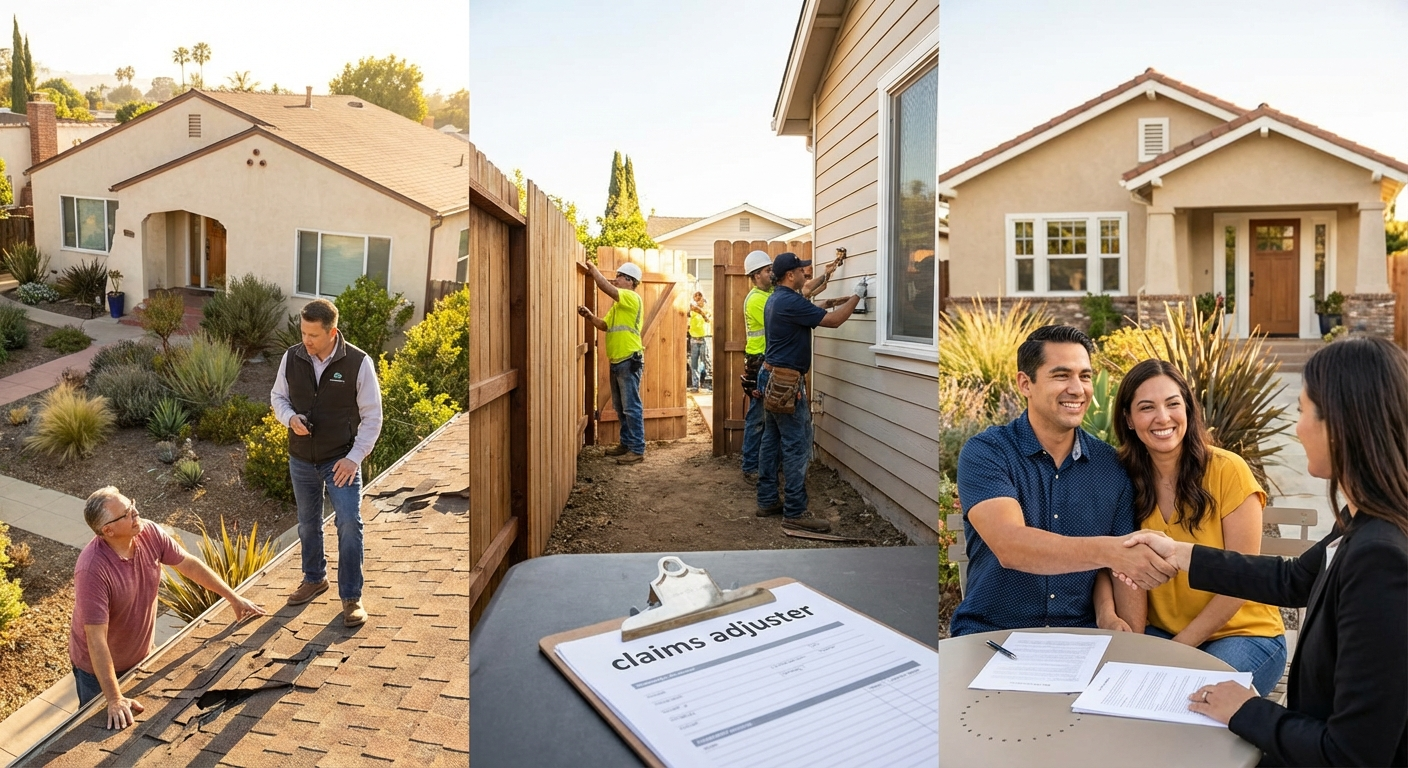
Soon after you report the claim, an insurance adjuster will contact you. This person works for your insurance company. Their job is to investigate the damage, figure out what’s covered under your policy, and estimate the cost of repairs or replacement. They’re not there to fix your house; they’re there to assess the loss.
When the adjuster visits, be present. Walk them through the damage. Point out everything you’ve documented. Share your photos and videos. Don’t be afraid to ask questions. “Is this covered?” “What’s the next step?” “When can I expect an estimate?” They might take their own photos and measurements. This visit can take anywhere from an hour to several hours, depending on the extent of the damage.
Understanding Your Policy
Before the adjuster even shows up, try to refresh your memory on your policy’s terms. You’ll want to know your deductible amount. That’s the amount you have to pay out of pocket before your insurance kicks in. For example, if you have a $2,500 deductible and the damage is $10,000, the insurer would pay $7,500.
But wait — it’s more complicated. You also need to understand your coverage limits. Your policy has specific caps for different types of damage or property. For instance, there might be a limit on how much they’ll pay for detached structures like a shed, or for certain valuables like jewelry (unless you have specific endorsements). Also, know the difference between Actual Cash Value (ACV) and Replacement Cost Value (RCV). ACV pays for the depreciated value of an item. RCV pays to replace it with a new one. RCV is almost always better, but it costs more in premiums. Many California policies for things like roofs are ACV-only, which can be a real shock.
Getting Repair Estimates and Contractor Bids
After the adjuster’s visit, they’ll usually provide their own estimate for the repairs. But you don’t have to accept it blindly. Honestly, it’s a good idea to get at least two or three independent bids from reputable contractors in your area. Ask friends for recommendations, or check online reviews. Make sure they’re licensed and insured. Contractors in places like Los Angeles and Orange County are often busy, so be prepared for a bit of a wait.
Compare these bids to the adjuster’s estimate. If your contractor’s bid is significantly higher, and you believe it’s accurate, you might need to discuss the discrepancies with your adjuster. Sometimes, they miss things, or they’re using older pricing data. Don’t just pick the cheapest bid, either. Quality work matters, especially when your home’s integrity is at stake.
For a free, no-obligation home insurance quote in California, visit losangeleshomecoverage.com/quote/. It’s a quick way to see what options might be out there for you.
Receiving Your Settlement: The Money Part
Once you and your insurer agree on the scope and cost of repairs, they’ll issue payment. This often comes in multiple checks. The first check might be for the actual cash value (ACV) of the damage, minus your deductible. This allows you to start repairs. The second check, if your policy has replacement cost value (RCV) coverage, comes after the repairs are completed and you’ve submitted receipts. This second check covers the depreciation that was initially held back.
Which brings up something most people miss. If you have a mortgage, your lender will often be named on the checks for structural repairs. Why? Because they have a financial interest in your home. This means you’ll need their endorsement on the check, and they might even hold the funds in an escrow account, releasing them in stages as repairs progress. It’s an extra step, but it protects their investment.
What If You Disagree? Appealing a Decision
It happens. You get the settlement offer, and it just doesn’t feel right. Maybe the adjuster missed significant damage, or the estimate is too low to actually fix things properly. You have options. First, try to work directly with your adjuster and their supervisor. Provide additional documentation, new estimates, or expert opinions to support your claim. Be polite but firm.
If that doesn’t work, you can file a complaint with the California Department of Insurance (CDI). They regulate insurers in the state and can mediate disputes. They won’t force an insurer to pay more, but they can ensure the company is following the rules. Another option is to hire a public adjuster. These are licensed professionals who work for *you*, not the insurance company. They’ll review your claim, negotiate on your behalf, and typically charge a percentage of the final settlement. They can be particularly helpful for large, complex claims, like those from the devastating 2025 LA fires or widespread flooding.
Staying Informed and Organized
Throughout this entire process, keep meticulous records. Every email, every letter, every phone call summary. Create a dedicated folder, digital or physical, for your claim. This organization will save you immense frustration if questions arise later or if you need to appeal a decision. Don’t rely on the insurance company to keep perfect records for you. It’s your home, your claim.
Why a Good Agent Matters in California
Honestly, the California insurance market is a beast right now. Premiums jumped 40% between 2022 and 2024 for many homeowners. State Farm pulled out of new policies in 2023, and others like Farmers and AAA have tightened their belts. Finding good coverage, especially in high-risk areas like the foothills of the Sierra Nevada or parts of Malibu, is tough. This is where an experienced, independent agent like Karl Susman, from Los Angeles Home Coverage, becomes incredibly valuable.
Karl and his team have seen it all. They understand the nuances of the FAIR Plan, the complexities of Prop 103, and which carriers are still writing policies in Ventura County versus, say, the Valley. They can help you understand your policy *before* a claim, ensuring you have the right coverage in the first place. When a claim does happen, they can often offer guidance, help you interpret policy language, and even advocate on your behalf. You can reach Los Angeles Home Coverage at (877) 411-5200. Karl Susman’s CA License is #0B75129.
Ready to explore your home insurance options? Get a free quote today at losangeleshomecoverage.com/quote/.
Common Questions About California Home Insurance Claims
How long does the claims process usually take in California?
There’s no single answer, unfortunately. A small, straightforward claim for a broken window might be resolved in a few weeks. A major claim, like extensive fire damage to a home in Paradise or Santa Rosa, could take many months, even over a year, especially if there are disputes or multiple contractors involved. State law generally requires insurers to acknowledge a claim within 15 days and make a decision within 40 days, but that’s just the initial response, not necessarily the full settlement.
Will filing a claim increase my premiums?
The short answer is yes. The real answer is more complicated. A single, small claim might not have a huge impact, especially if it’s due to an act of nature like a storm. But multiple claims, or a very large claim, will almost certainly lead to higher premiums or even a non-renewal. Insurers look at your claims history as an indicator of future risk. In California’s volatile market, any claim can be a red flag.
What if my property is uninhabitable after the damage?
Most standard California home insurance policies include “Loss of Use” or “Additional Living Expenses” (ALE) coverage. This pays for things like hotel stays, temporary rental housing, extra food costs, and other necessary expenses if you can’t live in your home due to a covered loss. Keep all receipts for these expenses, as your insurer will require them for reimbursement.
Are wildfires always covered by my standard home insurance in California?
Generally, yes, standard homeowner policies in California cover fire damage, including wildfires. However, the *cost* of that coverage, and the ability to even get it, has become incredibly challenging in high-fire-risk areas. Some policies might have specific wildfire deductibles, which can be a percentage of your dwelling coverage rather than a flat dollar amount. Always check your specific policy declarations page.
This article is for informational purposes only and does not constitute financial advice.