
Thinking Your Historic California Home Can’t Be Insured? Let’s Talk Truth.
Owning a piece of California history is something special. Maybe it’s a charming Craftsman in Pasadena, a grand Victorian in Eureka, or a Spanish Colonial Revival in San Clemente. These homes don’t just offer shelter; they tell stories. They have character, details, and a certain irreplaceable charm you just don’t find in newer builds. But here’s the thing: insuring a historic home in California right now? That’s not always a straightforward story.
Many people think it’s nearly impossible to get proper coverage for an older, architecturally significant home here. The short answer is yes, it’s gotten tougher. The real answer is more complicated, and honestly, a lot of what you hear out there is just plain wrong.
Myth #1: A Regular Home Insurance Policy Is Fine for My Historic House.
This is probably the biggest and most dangerous myth out there. You might have a standard HO-3 policy, the kind most homeowners carry. It covers your dwelling, personal property, and liability. Sounds good, right? Not entirely.
The problem with historic homes isn’t just that they’re old; it’s *how* they’re built and *what* they’re built with. Think plaster and lathe walls, not drywall. Original hardwood floors, not laminate. Custom millwork, unique windows, period-specific fixtures – these aren’t things you can just grab off the shelf at Home Depot. If your historic home in, say, Ventura County, were to suffer serious damage from a fire or other disaster, the cost to rebuild it with “like kind and quality” materials would be astronomically higher than a modern home of the same square footage.
Most standard policies base their dwelling coverage on typical construction costs. That works for a tract home from the 1990s. For a 1920s bungalow with original Batchelder tile, it’s a huge mismatch. You could find yourself severely underinsured, meaning you’d have to pay thousands, even hundreds of thousands, out of pocket to restore your home to its original glory. Or worse, settle for a modern, less authentic rebuild. Nobody wants that.
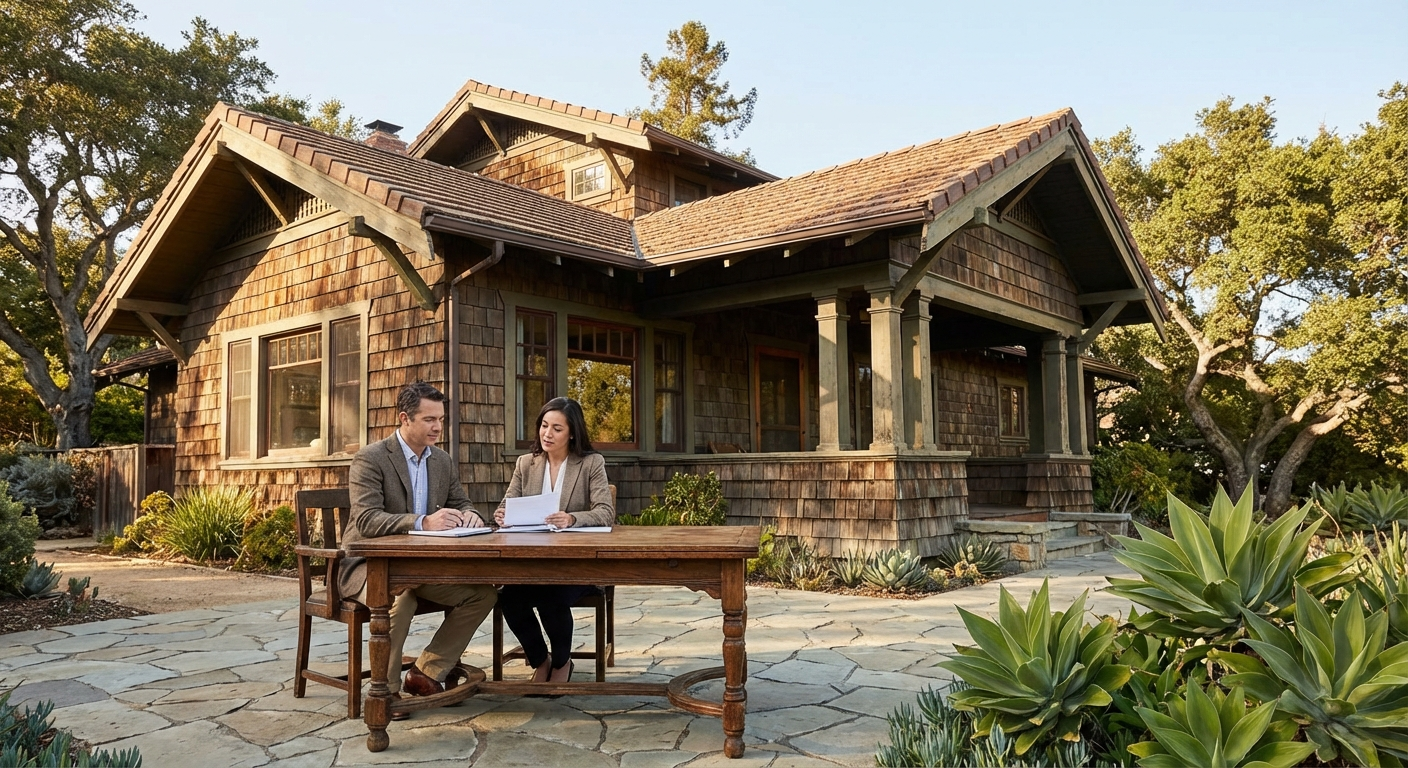
What Really Matters: Specialized Coverage for Unique Homes
For historic properties, you need what’s often called “Guaranteed Replacement Cost” or “Agreed Value” coverage. This means the insurer agrees to pay the actual cost to rebuild your home with similar materials and craftsmanship, even if it exceeds the dwelling limit on your policy. It’s not a common offering with every carrier, especially in California’s current insurance market.
Which brings up something most people miss: The sheer difficulty in finding *any* coverage in California these days. Premiums for standard home insurance jumped by more than 20% on average between 2022 and 2024 across the state. For homes in high-risk areas – and much of California is considered high-risk due to wildfire threats – those increases have been far steeper, sometimes 40% or more. Major insurers like State Farm, AAA, and Farmers have either paused new policies or significantly restricted their offerings in many parts of the state. It’s a tough market.
For historic homes, this situation is amplified. Many standard carriers just don’t want the added risk and specialized valuation needs. That’s why you can’t just call any agent. You need someone who understands the niche.
Myth #2: Being in a Historic District Makes Insurance Cheaper Because My Home Is Protected.
This sounds logical, doesn’t it? If your home is in a designated historic district – like parts of Hollywood Hills, Old Town Orange, or certain neighborhoods in Sacramento – it means it’s recognized for its architectural significance. You’d think insurers would appreciate that.
Honestly, it’s often the opposite. While historic designation protects your home’s character, it also adds layers of complexity to any repair or rebuild. You can’t just slap on vinyl siding or replace original windows with cheap aluminum frames. Local historic preservation commissions, city planning departments, and sometimes even state or federal guidelines dictate what materials you can use, what methods you must follow, and even who can do the work.
These rules are there for a good reason – to preserve history! But they drive up the cost of repairs significantly. Imagine a fire damages your 1910 Craftsman in a designated district. You might need to source reclaimed wood, hire artisans skilled in specific techniques, or get custom-made windows that match the originals. This isn’t just more expensive; it takes longer. And insurers don’t love “more expensive” or “longer.”
So, while your home’s historic status is a point of pride, it usually means you’ll need even *more* specialized coverage, like “Ordinance or Law” coverage, to pay for the increased costs associated with meeting those preservation requirements during a rebuild. Without it, you’re on the hook.
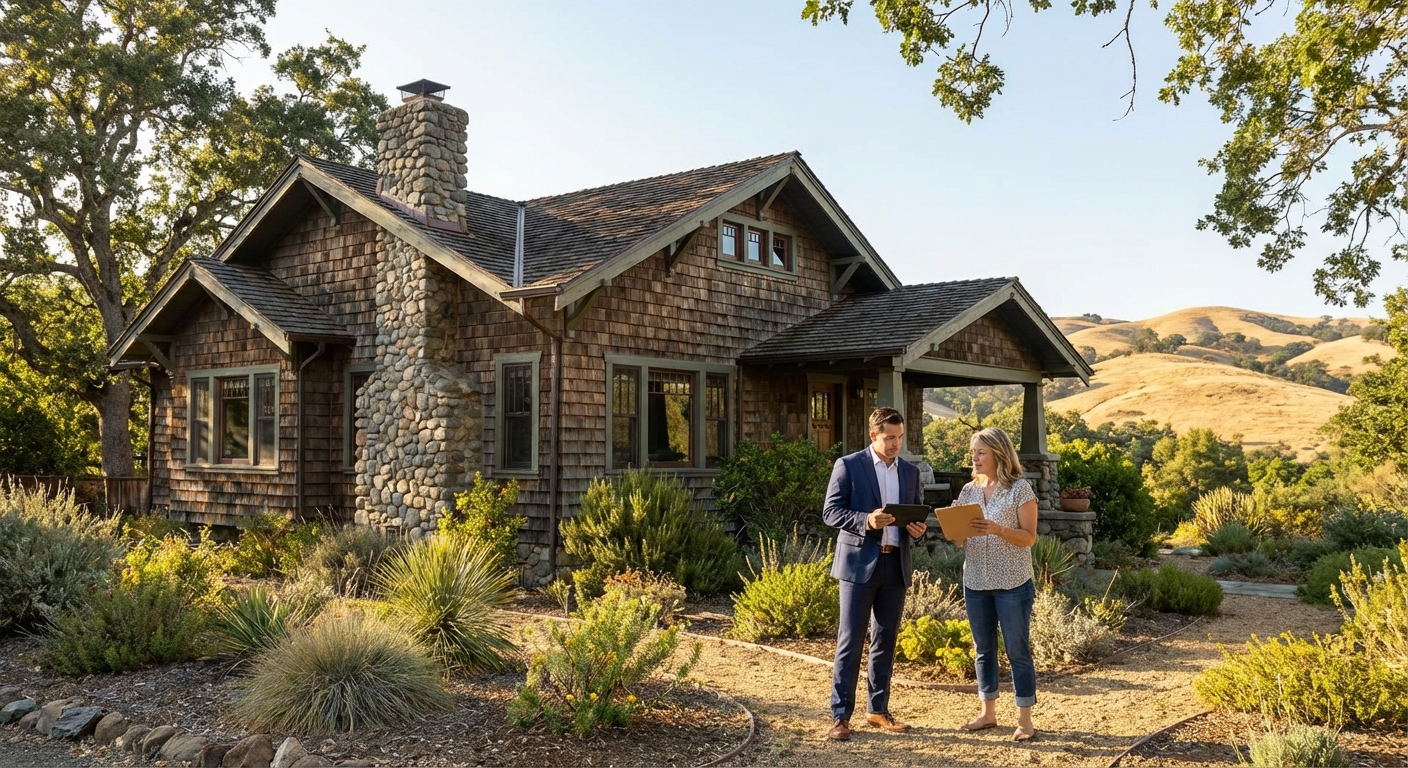
Myth #3: With Insurers Leaving California, There’s No Hope for My Historic Home.
It’s true that the California insurance market is in a tricky spot. The combination of wildfire risk (think the 2025 LA fires, or the devastating blazes in Sonoma and Napa a few years back), inflation driving up repair costs, and regulatory constraints like Prop 103 — which limits how much insurers can raise rates — has led to a lot of carriers pulling back. It’s a real problem.
But wait — “no hope” is too strong. It just means you have to look beyond the big names.
There are specialty insurance carriers that focus specifically on high-value, unique, and historic homes. These aren’t the companies advertising on TV every five minutes. They operate in a different market, understand the unique risks and valuation challenges, and often have a much better grasp of what it takes to cover a historic property properly. They might require more detailed appraisals, photos, and even a historical report on your home. It’s more work upfront, but it’s worth it for the peace of mind.
Then there’s the California FAIR Plan. This is California’s “insurer of last resort.” If you can’t get coverage through the voluntary market, the FAIR Plan is there to provide basic fire coverage. But here’s the kicker: it’s *basic*. It won’t give you the specialized replacement cost coverage you need for a historic home. It’s also often more expensive and doesn’t cover liability or theft. Most people combine a FAIR Plan policy with a “Difference in Conditions” (DIC) policy from another carrier to fill in the gaps. It’s a patchwork solution, but it’s often the only option for homes in very high-risk fire zones. And even the FAIR Plan has been facing its own challenges, including discussions about how it can continue to serve the growing number of Californians who rely on it.
Finding the Right Path: What You Can Do
So, what’s a historic homeowner to do?
1. **Get a Proper Appraisal:** Don’t rely on Zillow or your county’s tax assessment. Hire an appraiser who specializes in historic properties. They can accurately assess the true replacement cost, factoring in unique materials, craftsmanship, and local historic district requirements. This is absolutely foundational.
2. **Harden Your Home:** Even if it’s old, you can make it more resilient. Clear brush, maintain your roof, install ember-resistant vents, upgrade electrical systems. Many historic homes have knob-and-tube wiring or old plumbing; updating these can make your home safer and more appealing to insurers. Sometimes, even small upgrades can chip away at perceived risk.
3. **Work with a Specialist:** This is probably the most important step. Don’t call a call center. You need an independent insurance agent who has experience with historic homes and access to specialty carriers. They know the nuances, the specific questions to ask, and which insurers are even writing these kinds of policies in California right now.
Someone like Karl Susman at Los Angeles Home Coverage, CA License #OB75129, has been helping California homeowners navigate these choppy waters for years. He understands the unique challenges of insuring historic properties and knows how to find solutions even when the market feels impossible.
Look, insuring a historic home in California isn’t for the faint of heart. It takes diligence, a bit of research, and definitely the right guide. But your home is more than just a house; it’s a legacy. Protecting it properly is worth every bit of effort.
Think you’re ready to get a real quote for your historic California home? Don’t leave it to chance. Find out what coverage truly looks like. Click here to get a quote today.
It’s not about finding the cheapest policy; it’s about finding the *right* policy. For such a significant investment, proper protection isn’t a luxury; it’s a necessity. Don’t wait until disaster strikes to realize your coverage isn’t up to snuff. Get expert advice and tailor-made solutions. Start your quote process now.
Frequently Asked Questions About Historic Home Insurance in California
Q: What’s the main difference between insuring a historic home and a new build?
The biggest difference lies in replacement cost. Historic homes use unique, often custom, materials and construction methods that are far more expensive and time-consuming to replicate than standard modern construction. A standard policy often won’t cover these specialized costs, leaving you underinsured.
Q: Will updating my historic home’s plumbing and electrical systems help with insurance?
Absolutely. Many historic homes have outdated systems like knob-and-tube wiring or galvanized plumbing. Updating these to modern standards significantly reduces fire and water damage risks, making your home more attractive to insurers and potentially lowering your premiums. It’s a smart investment for safety and insurability.
Q: What is “Ordinance or Law” coverage, and why do I need it for my historic home?
Ordinance or Law coverage helps pay for the increased costs to repair or rebuild your home to meet current building codes, zoning laws, or – critically for historic homes – specific historic preservation requirements. If your home is damaged, this coverage ensures you can afford to rebuild it in compliance with all relevant regulations, which are often stricter for historic properties.
Q: My historic home is in a high wildfire risk area. Can I still get insurance?
It’s challenging, but often possible. You’ll likely need to focus on home hardening measures (like defensible space, ember-resistant vents, and fire-resistant roofing) to reduce your risk. You might also need to explore specialty carriers or a combination of the California FAIR Plan with a Difference in Conditions (DIC) policy to get comprehensive coverage. An independent agent specializing in California’s unique market can help you find these options.
This article is for informational purposes only and does not constitute financial advice.