
Protecting Your California Home From Theft: What Your Insurance Really Does
For most California homeowners, that feeling of security in your own space is everything. You work hard, you build a life, and you want to know your home — and everything inside it — is safe. But let’s be honest, the news these days can make anyone a little uneasy. Drive-by burglaries, organized retail theft spilling into neighborhoods, porch pirates becoming bolder. It’s enough to make you wonder: what happens if the worst actually happens? What does your homeowners insurance *really* do when it comes to theft?
The short answer is yes, your typical California homeowners policy generally covers theft. The real answer, though, is much more nuanced, and understanding those details can save you a lot of heartache and financial pain down the road. It’s not just about having coverage; it’s about having the *right* coverage, and knowing how to make it work for you.
Understanding Your Standard Theft Coverage
Most standard HO-3 policies — the most common type for homeowners in California — include protection for personal property against a variety of perils, and theft is usually right there on the list. This means if someone breaks into your home and steals your TV, your laptop, or your grandmother’s antique vase, your policy is designed to help you replace those items.
But here’s the thing. There are limits. Big difference. Your policy won’t just write you a blank check for everything you own. Each policy has a total personal property limit, often expressed as a percentage of your dwelling coverage. So, if your home is insured for $500,000, your personal property might be covered up to $250,000 or $350,000. That sounds like a lot, right? And for many, it is. But think about everything you own: furniture, clothes, electronics, kitchenware, tools in the garage, sports equipment. It adds up faster than you’d think.
That’s not the whole story. Within that overall personal property limit, there are often *sub-limits* for specific types of items. Jewelry, for instance, usually has a sub-limit — sometimes as low as $1,500 or $2,500 per item, or for all jewelry combined. Same goes for firearms, valuable artwork, furs, or collectible stamps. If you have a diamond engagement ring worth $10,000, and your policy only covers $2,000 for jewelry theft, you’re looking at an $8,000 gap out of your own pocket. Ouch.
Which brings up something most people miss. Coverage isn’t just for items stolen from *inside* your home. Most policies extend to personal property stolen *outside* your home, too. If your laptop gets swiped from your car while you’re at a coffee shop in Santa Monica, or your suitcase disappears from a hotel room on a trip, your homeowners policy might kick in. There are usually limits to this “off-premises” coverage, too, often 10% of your total personal property limit.
Actual Cash Value vs. Replacement Cost: Why It Matters
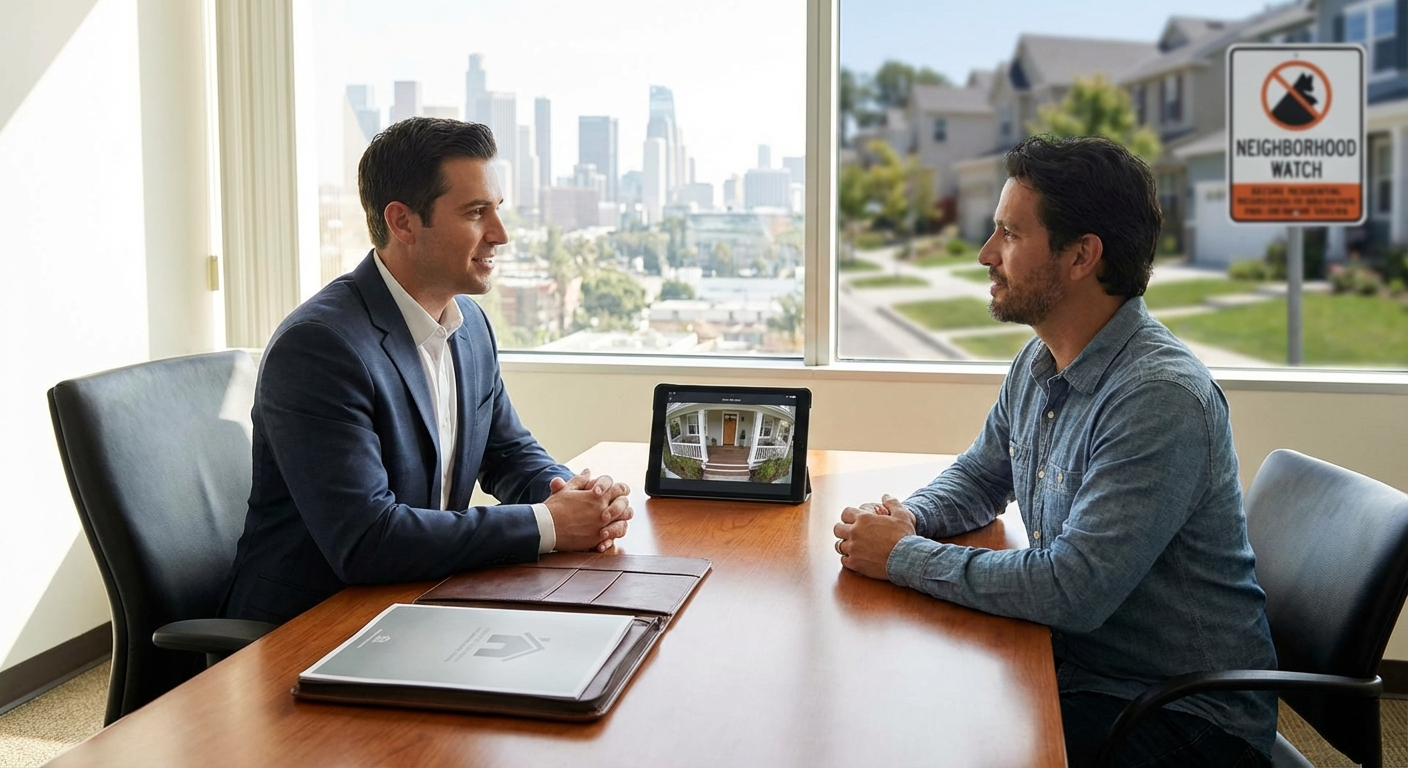
This is a huge one. When something gets stolen, your insurer will pay out based on one of two methods: Actual Cash Value (ACV) or Replacement Cost Value (RCV).
* Actual Cash Value (ACV): This is what the item was worth *at the time it was stolen*, factoring in depreciation. Think about your five-year-old TV. While you might have paid $1,000 for it new, an ACV payout might only give you $300 because of wear and tear and how much a new one costs today. It’s frustrating. It often leaves you short when trying to buy a new item.
* Replacement Cost Value (RCV): This is almost always what you want. RCV pays you the cost to replace the stolen item with a brand-new one of similar kind and quality, without deducting for depreciation. That five-year-old TV? You’d get enough to buy a brand-new, comparable model.
Many standard policies default to ACV for personal property. It’s usually worth paying a little extra to upgrade to RCV coverage for your belongings. It makes a real difference in how quickly and completely you can recover after a loss.
Boosting Your Theft Protection: Endorsements and Floaters
If you have valuable items that exceed those standard sub-limits, you’ll want to add specific endorsements or “scheduled personal property” floaters to your policy. This is how you get proper protection for that $10,000 ring or a collection of rare coins.
* Scheduled Personal Property: You provide a detailed description and an appraisal (for high-value items) of each specific item you want to cover. The insurer then covers it for its appraised value, often with broader coverage than standard personal property — sometimes even covering accidental loss or damage, not just theft. This is a must for high-value jewelry, art, antiques, or specialized equipment.
* Increased Limits: For categories that don’t quite warrant individual scheduling but still exceed standard sub-limits (like a larger collection of everyday jewelry, or more firearms than the basic limit allows), you can sometimes increase the category limit with an endorsement.
Honestly, don’t guess about your valuables. Get them appraised. Talk to your agent. It’s much better to know exactly what you’re covered for *before* something happens.
The California Context: Rising Concerns and Insurance Changes
We’re seeing shifts in California. While overall crime rates have fluctuated, organized retail theft has been a big topic, and the perception of safety in some areas, from the Valley to parts of the Inland Empire, has changed for homeowners. Insurers notice these trends. They look at local crime statistics, property values, and even the types of homes in an area when assessing risk.
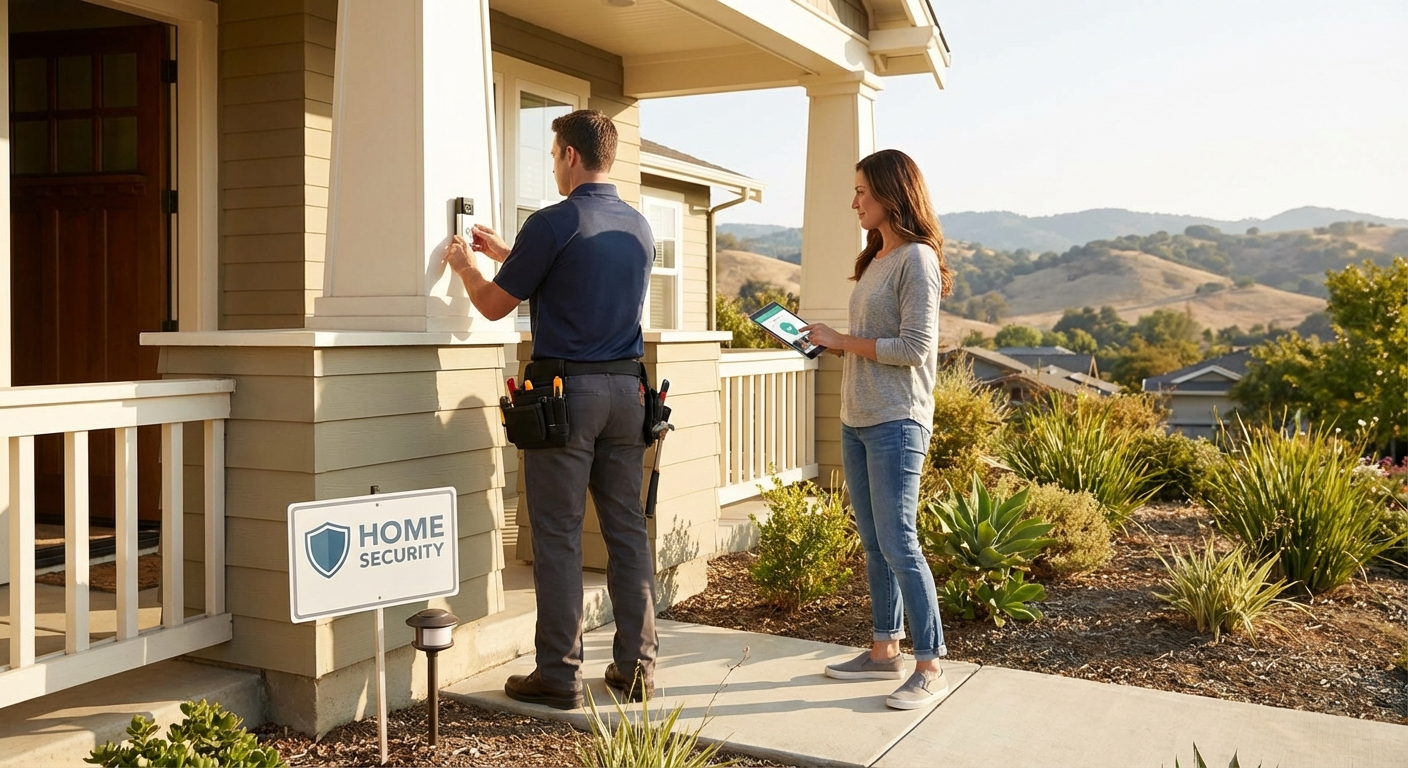
That’s why securing your home isn’t just about peace of mind; it can also impact your insurance premium. Insurers like State Farm, AAA, and Farmers are always looking at risk factors. A home with robust security measures is generally less risky.
Want to explore your options for better theft protection and see how it fits into your overall home insurance plan? Karl Susman and the team at Los Angeles Home Coverage are experts in California home coverage. You can reach them at (877) 411-5200 or get a quick quote online. CA License #OB75129.
Deterring Thieves: What Actually Works (and Saves You Money)
Insurance is your safety net, but prevention is your first line of defense. And often, making your home less attractive to thieves can lead to discounts on your premium.
Physical Deterrents: Old School, Still Good School
* Strong Locks: Deadbolts on all exterior doors. Period. Make sure sliding doors have secondary locks or security bars.
* Reinforced Doors and Windows: Consider security film on ground-floor windows, especially in areas like Ventura County where homes can feel a bit more exposed.
* Landscaping: Keep shrubs trimmed below windows. Don’t give anyone a place to hide. Thorny bushes under windows can also be a deterrent.
* Lighting: Motion-sensor lights around your property are incredibly effective. A well-lit home is a less appealing target.
Tech Solutions: Smart Home, Smarter Security
* Alarm Systems: This is a big one. A monitored alarm system — one that alerts a central station when triggered — can often qualify you for a significant discount, sometimes 5-15% off your premium. Make sure you have signs visible.
* Security Cameras: Doorbell cameras (Ring, Nest, etc.) and exterior cameras provide valuable evidence and can deter criminals. They don’t always offer direct discounts like monitored alarms, but they contribute to overall security.
* Smart Home Integration: Lights on timers, smart locks, and even smart blinds can make it look like someone’s home, even when you’re away.
But wait — Just having the equipment isn’t enough. You actually have to *use* it. Set your alarm. Lock your doors. An insurer won’t give you a discount for a fancy alarm system if it’s never armed.
When a Claim Happens: The Steps to Take
No one wants to go through this, but if your home is burglarized:
1. Safety First: If you suspect someone is still in your home, leave immediately and call 911. Don’t confront them.
2. Call the Police: File a police report as soon as possible. You’ll need the report number for your insurance claim.
3. Document Everything: Take photos or videos of the damage and missing items. Don’t clean up or touch anything more than necessary until the police have investigated.
4. Make a List: Create a detailed inventory of stolen items, including descriptions, estimated value, and purchase dates. Gather receipts, appraisals, or photos if you have them. This is where a home inventory list (digital or physical) is invaluable.
5. Contact Your Agent: Reach out to Karl Susman or your insurance provider as soon as you’ve handled the immediate aftermath. They’ll guide you through the claims process.
It might feel overwhelming, but having a clear plan helps. And remember, your agent is there to help you through the process, not just sell you a policy.
The Value of an Expert Advisor
Choosing home insurance in California isn’t like picking a coffee. The market can be tricky, with providers like Farmers, State Farm, and AAA adjusting their offerings and pricing based on the state’s unique risks — from wildfires to shifting theft patterns. Trying to figure out the right personal property limits, whether you need RCV, and what endorsements are truly worth it can feel like a maze.
That’s where an independent agent like Karl Susman comes in. He doesn’t work for just one company. He works for *you*. He can compare options from multiple insurers, helping you find a policy that truly protects your assets against theft and other perils, all while keeping an eye on your budget. He understands the nuances of the California market, from property concerns in the hills of Malibu to the busy streets of downtown LA.
Don’t leave your most valuable asset — your home and everything in it — to chance. Get a clear picture of your theft protection. Talk to an expert who knows California insurance inside and out.
Ready to review your current policy or get a new one that truly protects your peace of mind? Visit https://losangeleshomecoverage.com/quote/ for a personalized quote.
Frequently Asked Questions About Homeowners Insurance and Theft
Does my homeowners insurance cover theft if I’m not home?
Absolutely. Most standard policies cover theft whether you’re home or away. It doesn’t matter if you’re at work, on vacation, or just out for groceries; if your home is burglarized, your policy should respond.
What if something is stolen from my car? Is that covered by my home insurance or car insurance?
Generally, personal items stolen from your car would fall under your homeowners insurance, not your auto policy. Your auto insurance covers the car itself (if you have comprehensive coverage) and items permanently attached to it, like a stereo system. However, your laptop, briefcase, or golf clubs stolen from your trunk would typically be a homeowners claim, subject to your personal property limits and deductible.
Will installing a security system definitely lower my premium?
Often, yes, especially if it’s a professionally monitored alarm system. Many insurers offer discounts for certain security measures because they reduce the risk of a claim. The amount of the discount can vary by insurer and the type of system. It’s always a good idea to let your agent know about any security upgrades you make.
What’s the difference between “named perils” and “open perils” for personal property?
Most standard HO-3 policies cover personal property on a “named perils” basis, meaning it’s only covered for the specific risks listed in the policy (like fire, theft, windstorm). The dwelling itself is usually covered on an “open perils” basis, meaning it’s covered for everything unless specifically excluded. For personal property, an “open perils” endorsement or floater provides much broader coverage, protecting against any loss unless it’s explicitly excluded.
What should I do to prepare for a potential theft claim before it happens?
The best thing you can do is create a detailed home inventory. Take photos or videos of every room and valuable item. Keep receipts for big purchases, and get appraisals for high-value items like jewelry or art. Store this information securely, perhaps in a cloud service or a fireproof safe. This makes filing a claim much easier and helps ensure you get a fair payout.
This article is for informational purposes only and does not constitute financial advice.
Ready for Your Free Quote?
No obligation. Takes 2 minutes. Speak with Karl Susman and the team at Los Angeles Home Coverage.